The DFW metropolitan area is one of the largest metropolitan regions in the United States. It combines major cities, suburban communities, transportation corridors, and business districts into a connected economic region. Because employment, housing, education, and infrastructure extend beyond city boundaries, the metropolitan area functions as a single regional system rather than a collection of separate municipalities.
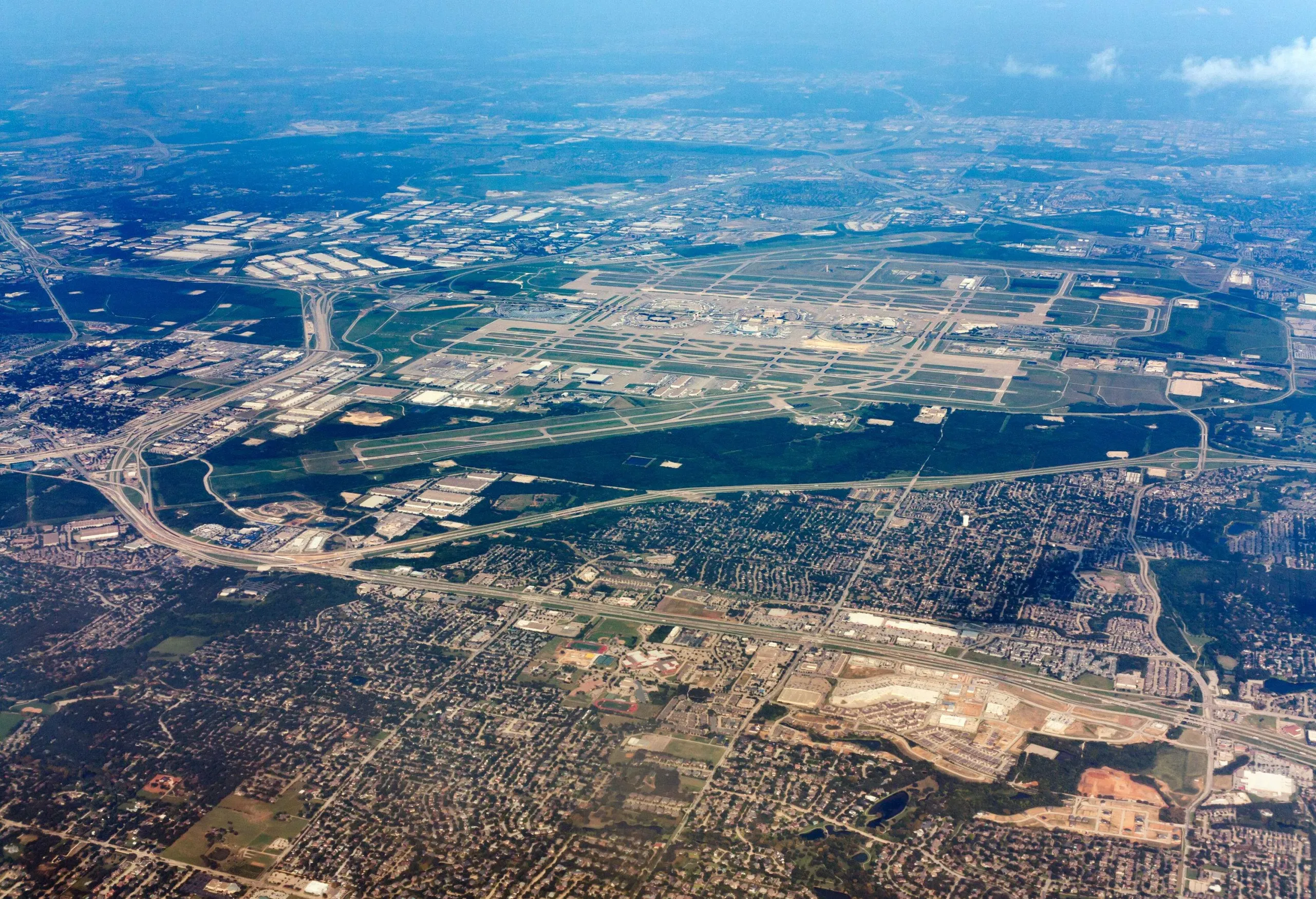
Population growth and economic diversification have strengthened the region over several decades. As a result, the DFW metropolitan area continues to expand in both size and influence across North Texas.
What Is the DFW Metropolitan Area?
The DFW metropolitan area refers to the Dallas–Fort Worth–Arlington Metropolitan Statistical Area (MSA). It consists of Dallas, Fort Worth, Arlington, and numerous surrounding cities that share strong economic and commuting relationships.
A metropolitan statistical area groups neighboring communities based on daily interaction, particularly employment and transportation patterns. This classification reflects how residents live and work across city boundaries rather than within a single municipality.
Where Is the DFW Metropolitan Area Located?
The DFW metropolitan area occupies a large section of North Texas. Dallas lies on the eastern side of the region, while Fort Worth forms the western urban center. Between them, Arlington connects the two largest cities through residential neighborhoods, commercial districts, and entertainment venues.
Several counties contribute to the metropolitan region, creating a broad urban network that continues to expand into surrounding communities.
Major Cities in the DFW Metropolitan Area
Although Dallas and Fort Worth anchor the region, many other cities contribute to its population and economy.
Major cities include:
Dallas
Fort Worth
Arlington
Plano
Irving
Garland
Frisco
McKinney
Denton
Richardson
Grand Prairie
Lewisville
Each city serves a different role. Some focus on corporate headquarters and technology, while others support manufacturing, education, healthcare, logistics, or residential development. Together, these communities create a balanced metropolitan economy.
Population and Urban Expansion
The DFW metropolitan area has experienced consistent population growth for decades. New residents arrive because employment opportunities continue to expand across multiple industries. At the same time, suburban communities provide additional housing, schools, and public services that accommodate long-term growth.
Population growth also increases demand for transportation, healthcare, utilities, and commercial development. Consequently, infrastructure projects continue throughout the metropolitan region to support expanding communities.
Economy of the DFW Metropolitan Area
Economic diversity explains much of the region's stability. Instead of depending on a single industry, the DFW metropolitan area supports multiple sectors that operate together.
Key industries include:
Technology
Financial services
Healthcare
Aerospace
Manufacturing
Telecommunications
Logistics
Energy
Retail
Professional services
A diversified economy reduces dependence on individual markets while creating employment across different skill levels. This balance encourages both business investment and long-term economic resilience.
Transportation Infrastructure
Transportation connects every part of the DFW metropolitan area. Businesses depend on efficient freight movement, while residents rely on extensive highway and transit systems for daily commuting.
The region includes:
Dallas Love Field
Interstate highways
Regional rail systems
Public transit networks
Freight rail corridors
Because transportation links cities throughout North Texas, economic activity extends across the metropolitan area rather than remaining concentrated in a single downtown district.
Education and Research
Higher education contributes significantly to regional development. Universities, community colleges, and research institutions prepare skilled workers while supporting innovation across multiple industries.
Research partnerships also strengthen sectors such as healthcare, engineering, technology, and business services. Consequently, education remains closely connected to economic growth throughout the metropolitan area.
Why the DFW Metropolitan Area Continues to Grow
Several factors support continued expansion across the DFW metropolitan area.
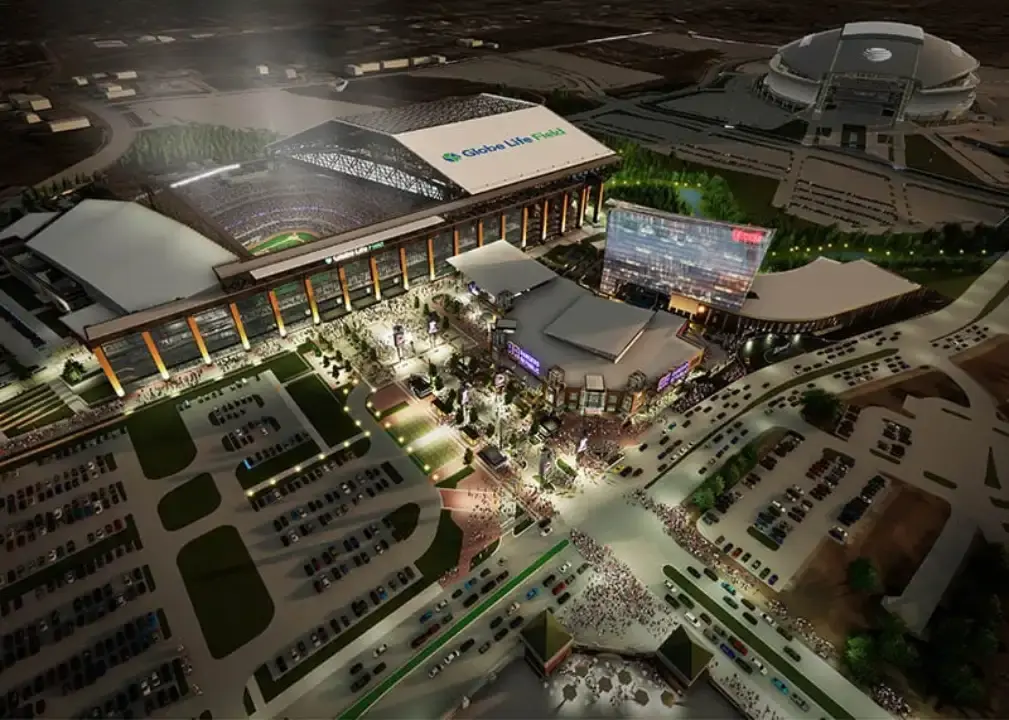
Employment opportunities attract workers from different parts of the country. Meanwhile, businesses benefit from central geographic access, modern transportation infrastructure, and a large labor market. Residential construction also continues as suburban communities expand alongside commercial development.
These factors reinforce one another. Population growth encourages business investment, while new employment opportunities attract additional residents.
Challenges Facing the DFW Metropolitan Area
Rapid growth also creates challenges. Increased population places greater demand on roads, public transportation, water resources, and affordable housing. Traffic congestion has become more common as commuting patterns evolve across expanding suburban communities.
Local governments continue investing in infrastructure improvements to address these long-term demands while supporting sustainable regional development.
Conclusion
The DFW metropolitan area represents more than the combined cities of Dallas and Fort Worth. It functions as an integrated regional economy where transportation, employment, education, healthcare, and residential development operate together. Continuous population growth and economic diversification have transformed the region into one of the nation's leading metropolitan centers.
As infrastructure expands and surrounding communities continue to develop, the DFW metropolitan area is expected to remain a significant driver of economic and population growth in North Texas.